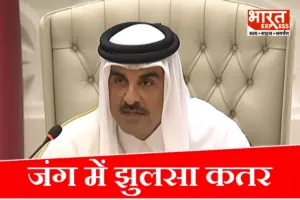






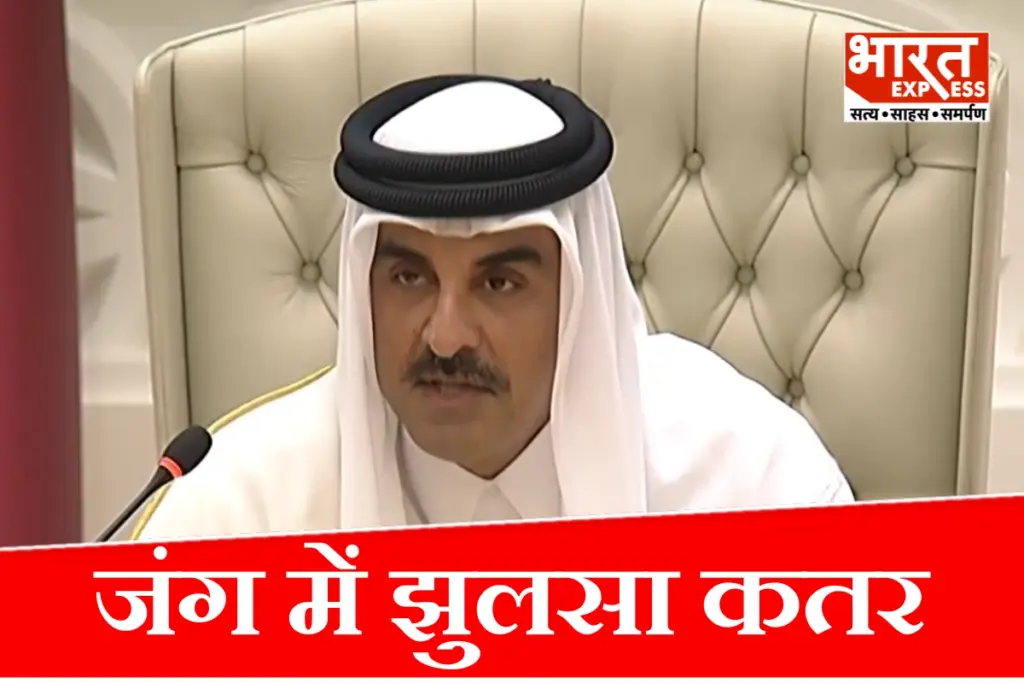
कतर के अमीर शेख तमीम बिन हमद अल थानी
Qatar Revenue Fall: मध्य पूर्व में जारी युद्ध ने कतर की अर्थव्यवस्था को बड़ा झटका दिया है. गैस के इंफ्रास्ट्रक्चर पर हमलों और निर्यात के रास्ते में आई रुकावटों का असर अब देश की कमाई पर साफ दिखाई देने लगा है. कतर के अमीर शेख तमीम बिन हमद अल थानी ने मंगलवार को बताया कि 2026 की पहली छमाही में देश का कुल राजस्व 42 फीसदी गिर गया. दुनिया के प्रमुख LNG निर्यातकों में शामिल कतर के लिए यह गिरावट इसलिए भी अहम है, क्योंकि उसकी अर्थव्यवस्था में प्राकृतिक गैस का बड़ा योगदान है.
दोहा में शूरा काउंसिल के वार्षिक सत्र को संबोधित करते हुए अमीर ने कहा कि होर्मुज जलडमरूमध्य बंद होने और रास लफान इंडस्ट्रियल सिटी में ऊर्जा से जुड़ी सुविधाओं को नुकसान पहुंचने से देश के निर्यात का एक बड़ा हिस्सा प्रभावित हुआ है. उन्होंने कहा कि इस संकट का सरकारी वित्त पर नकारात्मक असर पड़ना स्वाभाविक है.
गैस ठिकानों पर हमले से बढ़ी मुश्किलें
कतर की मुश्किलें दो मोर्चों पर बढ़ी हैं. पहला, ईरान के हमलों में रास लफान गैस केंद्र को भारी नुकसान पहुंचा है. दूसरा, होर्मुज जलडमरूमध्य पर ईरान की नाकेबंदी ने कतर से LNG की खेप भेजने की प्रक्रिया को बुरी तरह प्रभावित किया है. यह समुद्री रास्ता कतर के LNG निर्यात के लिए बेहद अहम है और इसके बंद होने से वैश्विक बाजार तक गैस पहुंचाना मुश्किल हो गया है.
🇶🇦|Emir of Qatar:This Is Not a Drill, It Is a Warning. Prepare for the Worst
October 13, 2026 | Doha
The Emir of Qatar, Sheikh Tamim bin Hamad Al Thani, issued a statement:
“We must prepare for the worst-case scenario, and everyone institutions and citizens alike must shoulder their responsibilities.”
This was not a routine address; it was a warning of war.
What is the worst-case scenario for Qatar?
Qatar hosts Al Udeid Air Base, the largest U.S. military base in the Middle East.
If the U.S. or Israel launches a new round of strikes against Iran, Al Udeid Air Base sits high on Iran’s list of targets for retaliation.
Iran has already demonstrated its capability to strike U.S. assets in West Asia. The U.S. Fifth Fleet headquarters in Bahrain has suffered severe damage from Iranian strikes; U.S. bases in Iraq have been hit by the Islamic Resistance in Iraq; and U.S. bases in Syria have been targeted by resistance forces.
Qatar knows that if the war escalates, its territory will become a battlefield.
Qatar’s Dilemma
Qatar maintains relations with both sides.
It has a defense agreement with the U.S. It hosts Al Udeid Air Base and permits the U.S. to launch bombers against Iran from Qatari soil.
However, it also shares the world’s largest natural gas field the North Field/South Pars field with Iran. Qatar’s liquefied natural gas (LNG) exports rely on this field, and these exports must pass through the Strait of Hormuz.
The Strait of Hormuz is in Iranian hands; the Islamic Revolutionary Guard Corps (IRGC) Navy controls the waterway. Iran has seized three non-compliant tankers in three days and reached an agreement with Oman regarding a temporary shipping lane one that excludes the U.S.
If Iran closes the Strait of Hormuz, Qatar’s LNG exports would be cut off. If those exports are severed, Qatar’s economy would collapse.
The Emir of Qatar made it clear: prepare for the worst. The message is that if the U.S. and Israel expand the war into the Gulf, Qatar cannot pretend it is not on the battlefield. What is Qatar doing?
Qatar is issuing warnings.
Mishaal Al Thani, Qatar’s ambassador to Washington, has publicly stated: “Saudi Arabia bears responsibility for the devastation in Yemen; its brutal attacks have pushed 17 million Yemenis to the brink of famine.”
Qatar has not joined military operations against Iran. Qatar has not joined the war in Yemen. Qatar has not signed the Abraham Accords with Israel.
Qatar is mediating. It mediates between Israel and Hamas. It conveys messages between Iran and the United States. It plays a role regarding Afghanistan.
But mediation cannot shield Qatar from the fallout of war. If the U.S. launches airstrikes on Iran from Al Udeid, Iran will not distinguish between a “mediator” and a “combatant.”
Who bears what responsibility?
The Emir has said: “Everyone must shoulder their own responsibilities—institutions and citizens alike.”
What is the responsibility of institutions? The military must be prepared. Emergency services must be ready. The energy sector must be prepared. The diplomatic corps must be ready.
What is the responsibility of citizens? Remain vigilant. Follow instructions. Do not panic.
But where does the ultimate responsibility lie?
With those who dragged Qatar into the U.S. war machine. With those who allowed Al Udeid Air Base to be used for attacks on Iran. With those who thought they could host a U.S. base while simultaneously maintaining relations with Iran.
Qatar can continue to hedge its bets. But war does not allow for hedging; war forces you to pick a side.
The bottom line
The Emir of Qatar has made it clear: prepare for the worst-case scenario.
What is the worst-case scenario?
The U.S. and Israel launch a new round of strikes against Iran. Iran retaliates against U.S. assets in West Asia. Al Udeid Air Base is struck. The Strait of Hormuz is closed. Qatar’s LNG exports are cut off. Qatar’s economy collapses.
Qatar hosts the largest U.S. base in the Middle East. Qatar relies on the Strait of Hormuz to export LNG. Qatar shares the world’s largest natural gas field with Iran.
If the war escalates, Qatar cannot pretend it is not on the battlefield. Qatar must decide: whether to continue providing bases for the U.S. war machine, or to choose a different path for its own survival.
— Aprajita Nafs Nefes 🦋 Ancient Believer (@aprajitanefes) October 13, 2026
कतर अमेरिका के बाद दुनिया का दूसरा सबसे बड़ा प्राकृतिक गैस (LNG) निर्यातक है. ऐसे में गैस उत्पादन और निर्यात में बाधा का असर केवल उसकी कमाई तक सीमित नहीं है, बल्कि वैश्विक ऊर्जा बाजार के लिए भी यह चिंता का विषय है.
नॉर्थ फील्ड परियोजना से उम्मीद बरकरार
युद्ध और आर्थिक नुकसान के बीच कतर ने अपनी गैस योजनाओं को जारी रखने का संकेत दिया है. अमीर शेख तमीम ने बताया कि नॉर्थ फील्ड गैस परियोजना के विस्तार का काम तय योजना के मुताबिक आगे बढ़ रहा है.
फारस की खाड़ी के नीचे फैला नॉर्थ फील्ड दुनिया का सबसे बड़ा गैस क्षेत्र है, जो ईरान तक फैला हुआ है. कतर की योजना इस परियोजना के जरिए 2030 तक अपनी कुल गैस उत्पादन क्षमता बढ़ाकर सालाना 142 मिलियन टन करने की है. इससे आने वाले सालों में वैश्विक LNG बाजार में कतर की स्थिति और मजबूत हो सकती है.
इसके अलावा अमेरिका में एक्सॉनमोबिल के साथ साझेदारी में विकसित की जा रही गोल्डन पास LNG परियोजना में भी महत्वपूर्ण प्रगति हुई है. कतर को उम्मीद है कि ये परियोजनाएं भविष्य में उसकी गैस उत्पादन क्षमता बढ़ाने में मदद करेंगी.
IMF ने भी जताई बड़ी आर्थिक गिरावट की आशंका
मध्य पूर्व में जारी युद्ध का असर कतर की अर्थव्यवस्था पर कितना गहरा हो सकता है, इसका अंदाजा अंतरराष्ट्रीय मुद्रा कोष (IMF) के ताजा अनुमान से लगाया जा सकता है. मंगलवार को जारी अपनी वैश्विक रिपोर्ट में IMF ने अनुमान जताया कि 2026 में कतर की GDP में 15.6 फीसदी की गिरावट आ सकती है.
ये भी पढ़ें- V-A थ्योरी से लेकर टैचीऑन्स तक: जानिए क्यों नोबेल न मिलने के बावजूद अमर हैं वैज्ञानिक ECG सुदर्शन
कतर के सामने फिलहाल दोहरी चुनौती है. एक ओर युद्ध के कारण गैस से जुड़े इंफ्रास्ट्रक्चर और निर्यात को नुकसान पहुंचा है. तो दूसरी ओर सरकारी राजस्व में तेज गिरावट ने आर्थिक दबाव बढ़ा दिया है.
-भारत एक्सप्रेस
इस तरह की अन्य खबरें पढ़ने के लिए भारत एक्सप्रेस न्यूज़ ऐप डाउनलोड करें.